Samuel Edusa MD
The Importance of Primary Care
Samuel Edusa | Sept 14, 2022
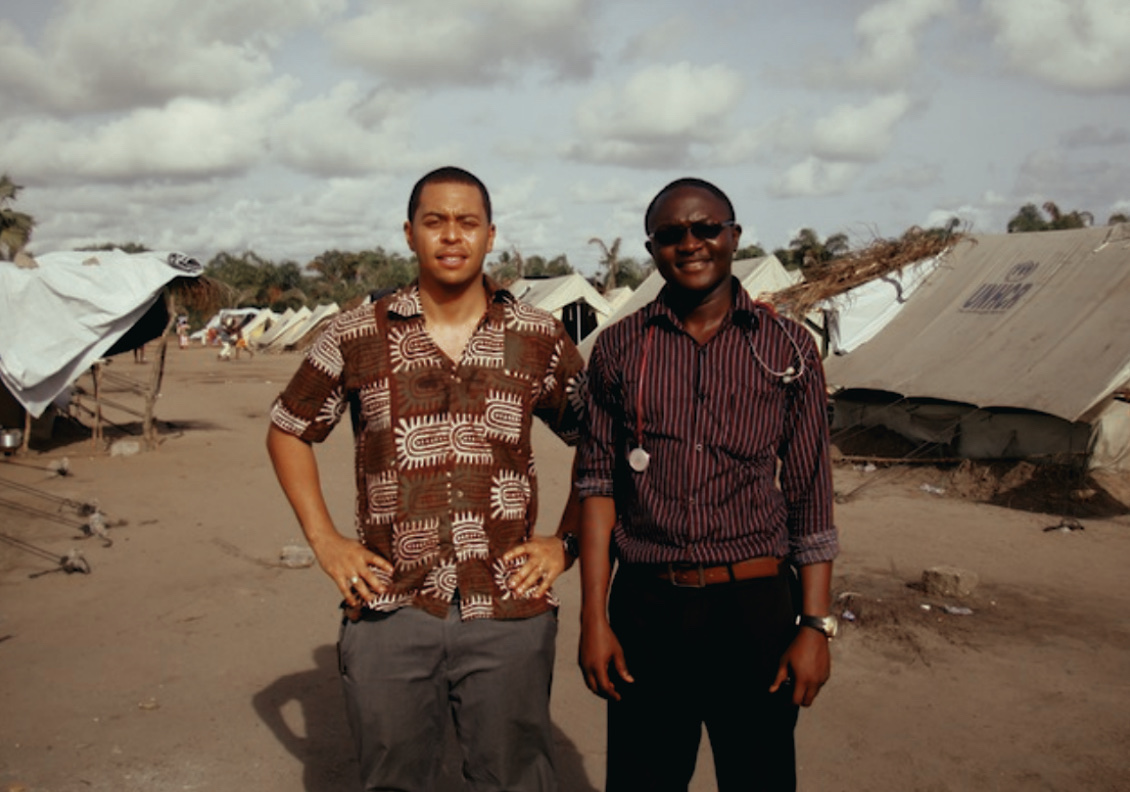 (At the Ampain Refugee camp in the Western Region of Ghana)
I worked as a doctor in Ghana for over a decade, and that experience shaped how I think about primary care. In a country where specialist access is limited, primary care is often the only care a patient gets.
Why primary care matters
Primary care is where most people first interact with the healthcare system. A general practitioner or family medicine doctor handles a wide range of problems and refers to specialists when needed. In many settings, especially in countries like Ghana, this is the entire healthcare system for most patients.
When primary care works well, it keeps people out of hospitals. Problems get caught early, chronic conditions get managed, and patients have somewhere to go before things get bad. Regular check-ups and screenings catch issues before they become emergencies.
There's also a social side to it. Primary care doctors often end up connecting patients with social services, community resources, and support systems that address non-medical factors affecting their health. In Ghana, I saw this constantly.
Working in Ghana
What struck me most about practicing in Ghana was how much the doctor-patient relationship mattered. Many of my patients had limited access to healthcare and relied on me for everything. Building trust was essential. If a patient doesn't trust you, they won't tell you what's actually going on.
I tried to take time with each patient, listening to their concerns and explaining their conditions. Most people were eager to learn. When I explained how to manage hypertension or why handwashing prevents infection, they took it seriously. That education often did more than the medications I prescribed.
Beyond clinic work, I got involved in public health: vaccination campaigns, infectious disease education, nutrition programs. These efforts complemented what we were doing in the exam room.
The biggest challenge was resources. Limited equipment, limited medications, limited access to imaging and lab work. You learn to do a lot with a little, but it's frustrating knowing you could do more with better tools.
Despite all of that, the work was deeply satisfying. I saw patients get better, communities get healthier, and people take ownership of their wellbeing because someone took the time to explain things to them.
